

Chemical Abortions
Drug induced chemical abortions, misleadingly referred to as medical abortions, usually use a combination of mifepristone and misoprostol.[1] The pregnant woman often takes the pills at home, a hotel, or in college housing, not under the supervision of medical staff.
Typically committed: 1st trimester
Preborn age: Up to 10 weeks
63% of US abortions are chemical.[2]

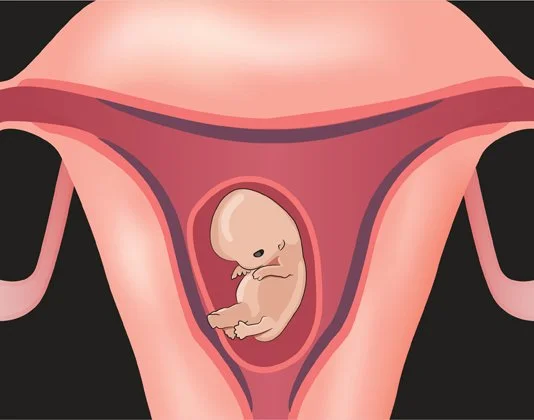
1. Progesterone is the hormone that protects the lining of the uterus. The first pill, mifepristone, blocks progesterone, causing the uterine lining to break down.
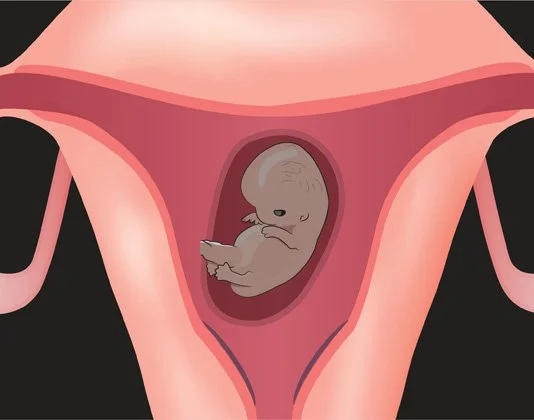
2. Mifepristone cuts off blood and nourishment from the baby. The goal is to starve the child in the womb to death.
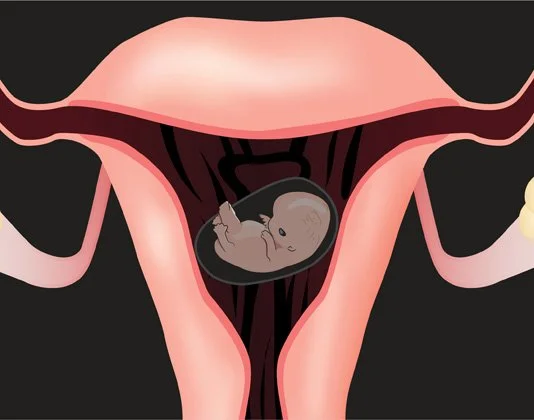
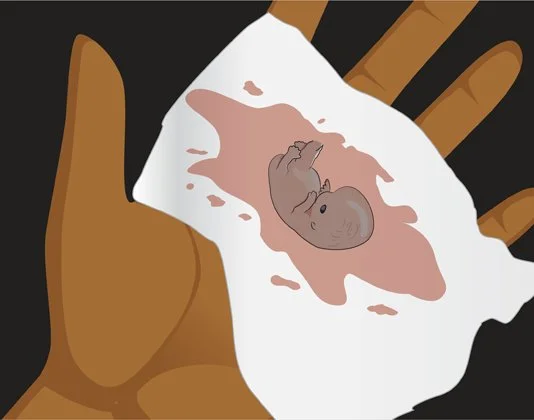
3. 24-48 hours later, the second pill, misoprostol, is taken. It causes contractions that can create painful cramping and heavy bleeding to expel the baby.
4. Women will be told to abort at home over the toilet. If they (were to) look closely, they would see their dead child. Even at seven weeks, it is possible to see his or her fingers and toes.
Chemical Abortion Risks
According to a 2025 study by the Ethics and Public Policy Center, 10.93% of women experience a severe adverse effect within 45 days of a chemical abortion,[3] including: sepsis, infection, hemorrhage, hospitalization, or surgical intervention, among others.